Tempe, Arizona, embodies the dynamic energy of a major college community, humming with passion, culture, and, allow's be honest, an intense desert climate. The city is a first-rate location for trainees chasing their academic desires at Arizona State University. Nonetheless, when the Sonoran Desert turns up the warmth, preserving focus can feel like an uphill struggle. The high temperatures, which routinely rise previous 110 levels Fahrenheit in the summer season and keep points warm well into the loss, do not simply influence your outdoor strategies; they significantly influence your indoor environment and, seriously, your ability to study. Creating a productive workspace that actively counters the heat is not simply a high-end; it ends up being a necessary component of academic success in this unique, lovely, yet extremely hot setting. Your individual research area requires to be a trendy, comfortable sanctuary, a location where concentration is the regulation and heat-induced drowsiness is the exception.
Crafting the Cool Thermal Environment
The air temperature of your research study room is the absolute initial aspect you have to control. Study reveals that as interior temperature levels climb, cognitive performance begins to decrease swiftly. In a desert setting, depending only on older, less effective central air can be a costly, sometimes insufficient, service. You require a targeted approach. Begin by evaluating your house's specific susceptabilities. Does the late afternoon sunlight blast through a west-facing home window? This convected heat is your opponent, heating up surfaces and making your air conditioner work overtime. Basic, affordable fixes make a significant distinction below. Rather than relying on slim drapes, purchase thick, blackout drapes or blinds that physically block the sunlight's rays, stopping the warmth before it gets in.
A personal cooling system can supply a microclimate for your workdesk, relieving the strain on your major system and your spending plan. A premium, oscillating tower follower can circulate air efficiently, or think about a little, portable overload cooler or evaporative cooler. These devices use the desert's dry air to their benefit, cooling down the air by adding moisture, which considerably decreases the temperature level and really feels unbelievably rejuvenating. Placement your follower to either blow straight across your body for a wind-chill result or goal it at a wall near the ceiling to maintain the air in the room continuously relocating. Keeping a somewhat cooler, instead of a totally cool, temperature level helps maintain you sharp and focused, preventing the slow-moving sensation that comes with a too-warm room.
Optimizing Your Space and Furniture for Focus
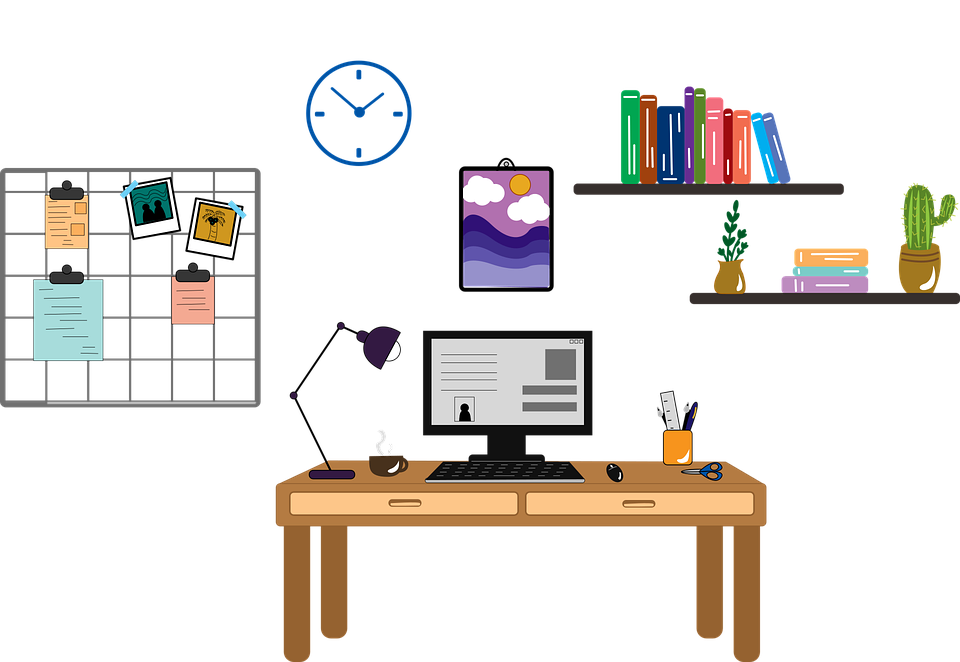
When the temperature is in control, turn your focus to the physical setup of your work space. Efficiency and low-heat output specify the ideal Tempe research study station. Students living in studio apartments in Tempe recognize the importance of taking full advantage of every square inch of area, and selecting the right furnishings and technology is critical for both convenience and efficiency. Select a workdesk and chair that advertise ergonomic health. Your chair should provide lumbar assistance, urging an upright stance that sustains performance, while your workdesk needs to be huge enough to hold all your research products without really feeling jumbled. Clutter creates aesthetic tension, and a clean area sustains a clean mind. Use vertical storage like shelving devices to maintain books and materials organized and off your major job surface.
Technology choices additionally affect your thermal setting. Laptops and displays create warmth, and in a studio apartment, here this contribution is visible. Keep your laptop on an aerated stand to stop overheating, which can improve its performance and lower the warmth it radiates onto your desk. Likewise, go with LED lighting, which is energy-efficient and generates nearly no heat contrasted to standard incandescent light bulbs. Strategically placed task lighting, like an adjustable desk light, directs bright, focused light exactly where you need it, decreasing eye stress and assisting to preserve focus throughout late-night research sessions. The aesthetic setting you develop adds straight to your psychological environment, sustaining your capacity to power via facility product.
Handling the Atmospheric and Visual Environment
Past the primary temperature level, various other ecological variables play a concealed role in your concentration. The quality of the air in your living space, known as the climatic setting, can affect your mental quality. In a closed-off, air-conditioned area, air can wither, causing sensations of sleepiness or fatigue. A simple air cleanser or opening a home window throughout the cooler hours of the morning can introduce fresh air right into your space. For homeowners in ASU student housing, where spaces are frequently sealed to keep the warmth out, making use of a tiny, top quality air filter can aid reduce dust and allergens, guaranteeing you breathe easy and remain clear-headed while you function.
The aesthetic component is equally crucial for keeping a positive, inspiring mood. While heavy power outage drapes shut out the heat, you still need to make the most of the mental advantages of light when you research. Position your desk so you are not facing the home window straight, which stops glow, but still allows you to catch indirect natural light. During the day, make use of large roller shades underneath your blackout curtains. These shades filter severe light, transforming the intense Arizona sun into a soft, diffused glow that brightens your space without adding heat. Including tiny, low-maintenance plants like succulents-- durable and belonging to the desert-- brings a touch of all-natural vigor right into your research study area, adding shade and boosting your feeling of health without calling for consistent interest.
Methods for the Student Lifestyle in a Hot Climate
The effective administration of a research study area in Tempe connections straight right into a disciplined pupil lifestyle. The heat pressures you to adapt your regular to the regional climate. Pupils counting on off campus housing in ASU Tempe frequently have more versatility however should likewise take even more campaign in creating a favorable atmosphere. Arranging your most demanding research study jobs for the coolest parts of the day-- morning or late night-- is a reliable way to leverage the atmosphere. Utilize the optimal mid-day warmth hours for lighter tasks like evaluating flashcards, organizing notes, or taking required breaks.
Your individual convenience considerably affects your capability to remain at your desk. Use light, breathable clothes-- cotton is a trainee's buddy right here-- and always keep a bottle of cold water close by. Dehydration is a quiet adversary of focus, and it occurs rapidly in the dry warm. Think of your body as part of your study system: maintaining it cool and moisturized is as vital as maintaining your laptop computer billed. When the intense heat comes to be frustrating, bear in mind that many modern student housing complicateds and apartment or condos offer great neighborhood study lounges or pool-side cabanas which are purpose-built to be comfortable and cool. Transforming your setting momentarily can supply a fresh perspective and a cool reset switch for your emphasis.
The commitment you make to making a cool, effective, and inspiring research study space will straight translate right into higher performance and less stress and anxiety throughout your academic journey in Tempe. This meticulously planned personal retreat becomes your shelter, a place where you can with confidence concentrate on your research studies, regardless of the scorching temperature levels outside.
We really hope these understandings aid you change your room right into a productivity powerhouse. Examine back on a regular basis for more regional suggestions and guidance made for trainees browsing life in this dynamic city.